- Welcome, Guest
- Personalize this page
- Sign In
- New User? Sign Up
- My Yahoo!
- Yahoo! Mail
- Yahoo! Home
- Help
Video
Gulf Coast braces for Gustav
Raw video: rain bands lash the Louisiana coast as the storm nears.
» All VideoMost Popular
- Cuban Man's Giant Egg Cracks Local Record Books AP
- The Gulf Coast Waits: Will It Be Another Katrina? AP
- Why It's So Hard to Swat a Fly Reuters
- Fed-Up Neighborhood Passes One-Dog Rule Reuters
- Three Years After Katrina, a City Holds Its Breath Again AP
Photo Highlight
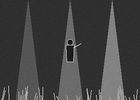
Madonna performs during her 'Sticky & Sweet' tour stop in Zurich. REUTERS/Miro Kuzmanovic
» More Photos and SlideshowsFull Coverage
- 2008 Presidential Election
- Republican National Convention
- Hurricane Gustav
- Iraq
- U.S. Economy
- Beijing Olympics
Markets
| Dow Jones | 11,543.96 | -171.22 |
| Nasdaq | 2,367.52 | -44.12 |
| S&P 500 | 1,282.83 | -17.85 |
| 10-Yr Bond | 3.78% | +0.02 |
| Oil | $115.46 | -1.00 |
| Gold | $835.20 | +3.60 |
Weather
| New Orleans | 88° | Windy, rain bands |
| New York | 79° | Partly cloudy |
| Chicago | 74° | Sunny |
| Los Angeles | 86° | Sunny |
| Houston | 92° | Hot, humid |
Elsewhere on the Web
- Russia warns West against Georgia support The Christian Science Monitor
- Google readies 'Chrome' browser CNET
- Williams sisters eye showdown ESPN.com
Wall Street Limps Out of August, Bracing for a Bruising Fall
 Email Story
 IM Story
 Discuss
 Printable View
 Buzz up!
NEW YORK - The stock market closed its worst August in years with a shudder, and with trading desks dark for Labor Day, Wall Street's veterans are bracing for what has historically been the cruelest stretch of the calendar.
The Dow Jones industrial average fell 4.3 percent in August, including a 240-point slide Friday on weak consumer-spending data. The Standard & Poor's 500 is down more than 16 percent from its October record, flirting with the 20 percent threshold that defines a bear market.
September and October carry their own folklore: the two months have produced the market's worst average returns, and this fall arrives freighted with a presidential election, a housing market still searching for a bottom and banks holding billions in mortgage assets nobody wants to value.
"Everyone's waiting for the other shoe," said a strategist at a Wall Street firm. "Fannie and Freddie, Lehman's balance sheet, housing prices — pick your shoe."
The Treasury's July backstop for mortgage giants Fannie Mae and Freddie Mac steadied markets briefly, but investors now assume the government will have to act before year-end.
There were pockets of optimism: oil's retreat from $147 a barrel and a modestly better-than-expected second-quarter growth figure of 3.3 percent, aided by the spring's stimulus checks and strong exports.
But with credit markets still impaired and unemployment rising, most forecasters expect the second half to be weaker. "The consumer is out of gas," one economist said, "and this time there's no home equity left to refinance."
___
Associated Press writers contributed to this report.